

 English
 Español
 عربى
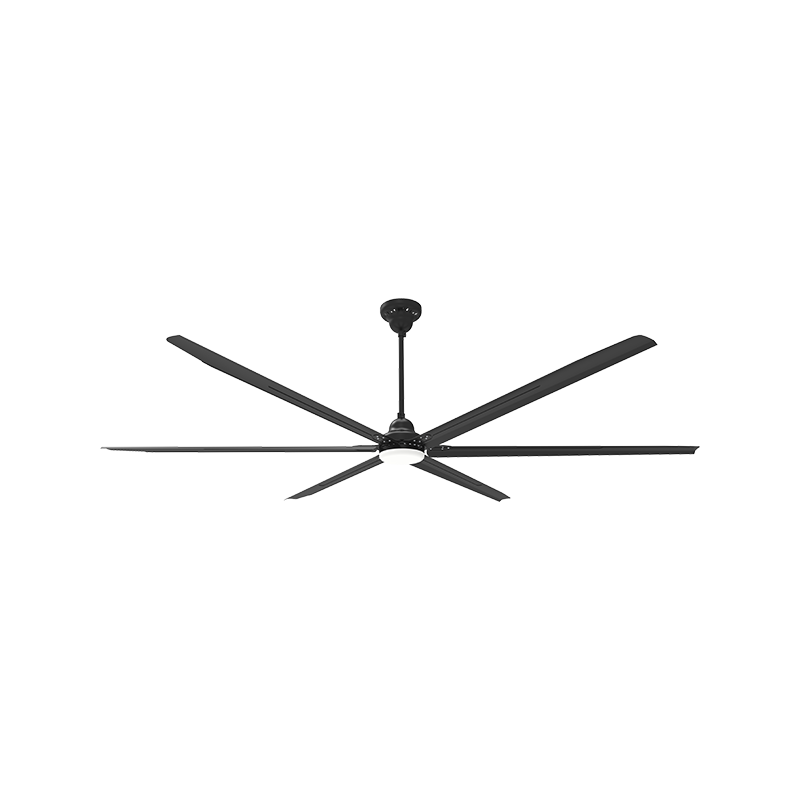
The 15-foot Even Airflow Industrial BLDC Ceiling Fan utilizes a high-efficiency BLDC motor and carefully designed blades. This ceiling fan operates with extremely low noise levels, making it suitable ...
Content
Dealership Ventilation Planning
Car Showroom Fan Installation: Comfort That Sells
Tall glass facades, high ceilings, and polished floors make a showroom one of the hardest retail spaces to keep comfortable. Large low-speed ceiling fans are the solution dealers increasingly choose — and the choices involved go far beyond picking a fan size.
Walk into a dealership on a hot afternoon and the first thing you notice is the temperature. If the showroom feels stuffy near the glazing, warm in the customer lounge, and unevenly cold under the air conditioning, every car on the floor looks a little less appealing. The cause is rarely an undersized HVAC system. It is a lack of deliberate air movement in a tall, glass-heavy building.
Car showroom fan installation closes that gap between climate control and human comfort. High-volume, low-speed (HVLS) ceiling fans push a broad column of air across the entire floor, mixing warm ceiling air in winter and spreading cool air in summer, without creating a draft that customers consciously notice.
A showroom is a large retail volume with industrial ceiling height. Cool air from the HVAC drops slowly, heat from glazing rises, and the middle of the room becomes a stagnant zone. The floor stays comfortable for a while, then slowly turns stuffy.
HVLS fans solve the problem by moving air at low speed — around 1-3 m/s at floor level — so the entire room feels the same. No hot pockets behind the display vehicles, no cold draft under the diffuser, no sense that the building has been closed all morning.
In a showroom, airflow should be felt as the difference between entering and leaving the building, not as a rattle above the display floor.
One well-placed large fan covers the area of dozens of small desk fans. That is why a dealership that once needed dozens of portable oscillating fans often runs comfortably on three to eight HVLS fans.
Fan selection starts with two measurements: floor area and clear ceiling height. The table below is a practical starting point for most dealership layouts.
| Showroom area | Ceiling height | Recommended diameter | Guideline quantity |
|---|---|---|---|
| Up to 300 m² | 4-5.5 m | 7-10 ft | 2-3 fans |
| 300-800 m² | 5-7 m | 12-16 ft | 3-6 fans |
| 800-1,500 m² | 6-8 m | 16-20 ft | 4-8 fans |
| 1,500 m² and above | 7-10 m | 22-28 ft | 8-12 fans |
The 300-800 m² range covers most new-car showrooms. A 12-16 ft fan at this scale delivers wide, even airflow without visually dominating the ceiling.
 14-Foot BLDC Motor HVLS Industrial Aluminum Alloy Ceiling FanThis mid-sized HVLS fan suits new-car showrooms from 300 to 800 square meters. Its lightweight anodized aluminum blades reduce motor load while delivering airflow up to 20 meters, helping maintain even comfort without dominating the ceiling.View Product →
Compact urban dealerships and brand boutiques usually choose the 7-10 ft class, while flagship spaces step up to larger diameters. The complete HVLS fan range from Aipu Fans covers all four categories, so the final decision comes down to column spacing, ceiling height, and the coverage radius of each model.
An HVLS fan is a large moving assembly, and its mounting details decide both safety and performance. Address these three points before placing an order.
Position fans on the architectural grid, then adjust for the zones where customers actually walk: the display turntable, the consultation desks, the glazing line. The air stream should meet people after it spreads, not blast them directly.
Planning note. Public-access buildings often require a structural and electrical permit for ceiling-mounted equipment. Check local codes before scheduling installation.
Structural caution. Never hang an HVLS fan from a suspended ceiling grid or an unbraced purlin, regardless of the installer's suggestion.
A showroom is a conversation space. Customers listen to engine notes, door closes, and the product specialist explaining trim levels. A noisy fan ruins that environment faster than almost anything else.
BLDC and permanent magnet synchronous motors are the right choice for showroom duty because they generate very little mechanical noise at low speed. The fan's 3D natural wind effect produces a soft fluctuation in airflow rather than a constant gust, so a customer can stand in the middle of the showroom without feeling windswept — a complaint common with high-speed floor fans.
For boutique and lounge settings, the compact end of the range is especially useful. A low-noise 9-foot fan moves enough air for a 200-400 m² space while staying acoustically transparent.
 9-Foot Low-Noise Six-Blade BLDC Ceiling FanIdeal for boutique and lounge areas of 200 to 400 square meters, this compact fan runs quietly with a brushless DC motor. Multiple speed settings allow precise airflow adjustment, keeping the space comfortable and acoustically unobtrusive.View Product →
In a showroom, a fan is part of the architecture. Neutral finishes — white, silver-grey, graphite, or matte black — let the fan disappear against the ceiling, while polished aluminum blades catch light without competing with the vehicles below.
In flagship spaces with higher ceilings, a 20-foot fan with aviation-grade metal blades can read almost like a sculpture, provided the motor housing stays slim and proportionate.
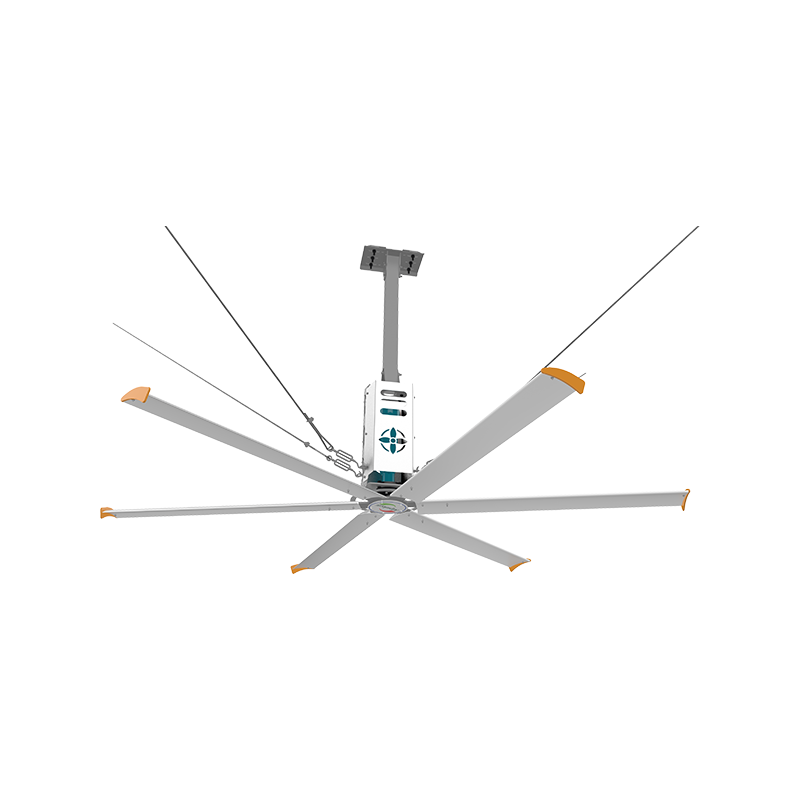 20-Foot Aviation-Grade Metal Blade HVLS Warehouse Ceiling FanDesigned for flagship spaces with high ceilings, this large fan features six aviation-grade metal blades that cover up to 1,000 square meters. Its slim motor housing and sculptural presence complement spacious interiors while providing gentle, even airflow.View Product →
The finish also affects maintenance. Powder-coated and anodized surfaces resist dust and road film, which matters in a showroom that opens onto a busy street.
Large fans consume surprisingly little power. A 14-foot BLDC fan at a typical operating speed draws a fraction of what a dozen portable floor fans would use, and it does the job more evenly. In the manufacturer's field data, a 7.3 m fan covers roughly the area of 45 small desktop units — a ratio that explains why most showrooms need only a handful of HVLS fans to cover the entire floor.
Destratification also lightens the HVAC load. In winter, warm air pooled at the ceiling returns to occupant level, so the heating setpoint can drop without a noticeable change in comfort. In summer, better mixing allows a higher AC setpoint at the same comfort level. Both effects show up on the monthly utility statement.
Over five years, total cost of ownership — purchase, installation, electricity, maintenance — strongly favors a few well-made large fans over many inexpensive small ones.
Measure the showroom floor area, record ceiling heights at each mounting point, map the glass surfaces, and mark where customers stand. From those numbers, select a fan diameter that covers the zones at low speed, confirm the structural and electrical details, set a noise budget, and choose a finish that belongs in the space.
The difference between a showroom that feels instantly right and one that feels slightly off is rarely captured in photos. It is the airflow moving quietly above the cars. When planned properly, the only evidence of the system is the customer who stays a little longer than planned.
If you are weighing fan sizes for your own showroom, send your floor plan to the Aipu engineering team for a recommendation based on real air volume, mounting constraints, and your local climate.
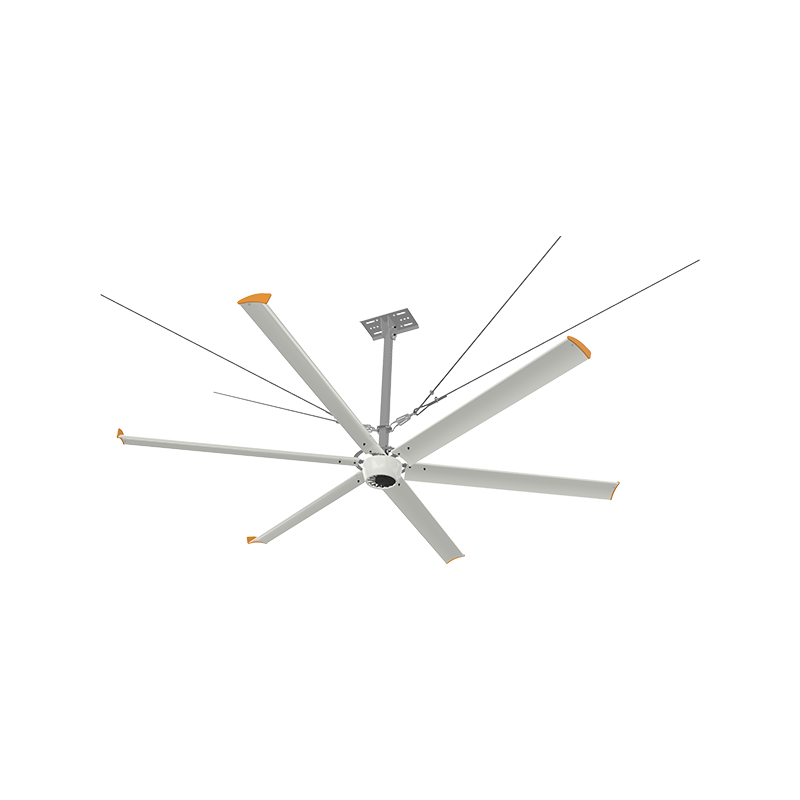
The 15-foot Even Airflow Industrial BLDC Ceiling Fan utilizes a high-efficiency BLDC motor and carefully designed blades. This ceiling fan operates with extremely low noise levels, making it suitable ...
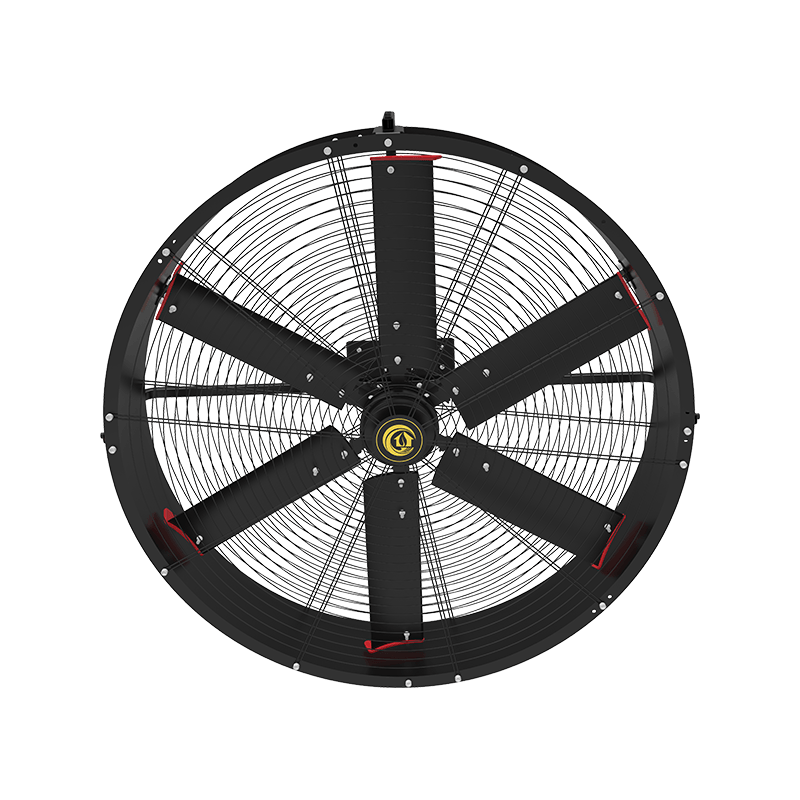
1. Extreme Airflow & Wide CoverageEquipped with massive 79-inch (2.0m) diameter aerospace-grade aluminum alloy blades. These precision-balanced blades generate a powerful, stable laminar airflow t...

The blades of the 14-foot BLDC motor HVLS industrial aluminum alloy ceiling fan are made of high-strength aluminum alloy, offering advantages such as light weight (each blade weighs approximately 3.5k...
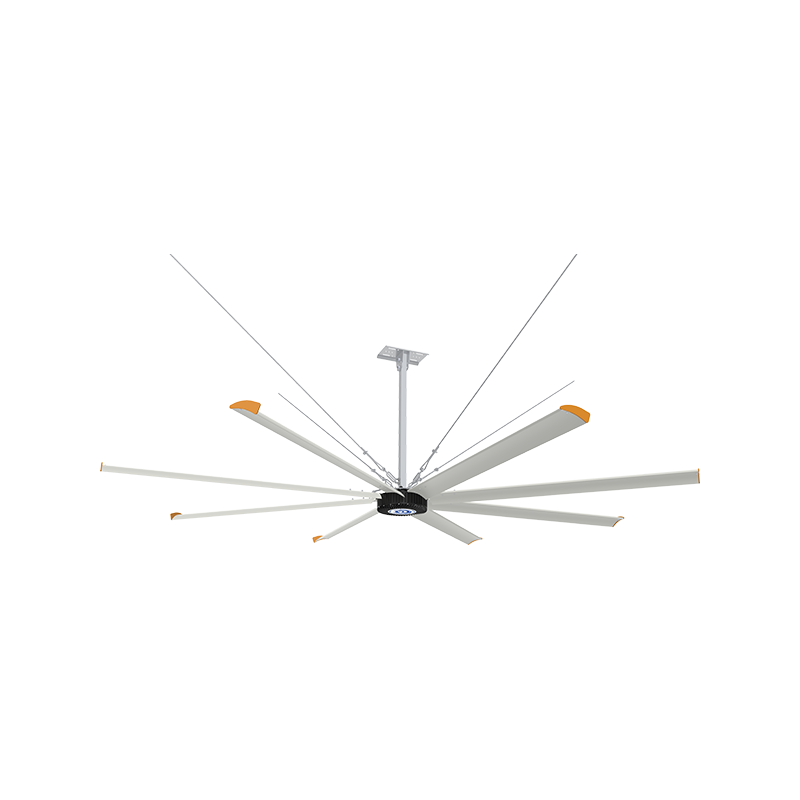
The 10-foot DC motor-driven HVLS (High Volume Low Speed) industrial and commercial ceiling fan utilizes a low-speed, high-airflow operating principle, achieving uniform airflow over a large area and a...
The 8-foot HVLS Large Industrial BLDC Ceiling Fan is equipped with a 0.3KW brushless DC motor, offering higher energy efficiency and lower noise levels. The lower power consumption design helps users ...
1. Core Technology: High Volume, Low SpeedNatural Breezes: Unlike the “harsh” wind from small fans, HVLS fans use massive blades rotating at low speeds to create a large-scale, three-dimensional breez...
Standing on the floor of a 6,000-square-metre factory on a hot July afternoon, you quickly notice the problem: small ceiling fans running at full speed create noisy air pockets near the floor, while ...
READ MORESpecifying industrial air movement The HVLS Ceiling Fan Isn’t a Big Ceiling Fan. Sizing, motor selection, and mounting height have to work together before a large industrial space can feel genuinely...
READ MOREA 6,800 m² factory floor used to be ventilated by roughly 300 small wall and pedestal fans. Six large ceiling fans now cover the same area, and in the manufacturer's own comparison that change cuts m...
READ MOREAt a distribution center in a hot climate, the worst heat gathers near the loading dock. The bay doors stay open through most of the shift, so any air that moves toward the dock gets pulled outside b...
READ MORE Custom Large Industrial Fans Manufacturers