

 English
 Español
 عربى
1. Core Technology: High Volume, Low SpeedNatural Breezes: Unlike the “harsh” wind from small fans, HVLS fans use massive blades rotating at low speeds to create a large-scale, three-dimensional breez...
Content
A facilities manager walks into a 40,000-square-foot distribution center on a July afternoon. The air near the dock doors is stagnant, the mezzanine is warmer than the floor, and pedestal fans every fifty feet are doing little more than shuffling warm air.
This is the scenario commercial HVLS fans were designed to solve. High-volume, low-speed fans push large columns of air across the whole floor instead of creating a narrow jet underneath, but selecting the right system means weighing diameter, motor technology, mounting constraints, and supplier capability.
Commercial HVLS fans are not oversized residential ceiling fans. They are built for continuous duty in warehouses, factories, aircraft hangars, gyms, and assembly plants, and the differences show up in construction:
The result is a deep, slow-moving column of air — a one-to-three-meter layer that mixes floor-level and ceiling-level air. That is what makes the technology effective: it prevents heat from stratifying under the roof and keeps the occupied zone at an even temperature.
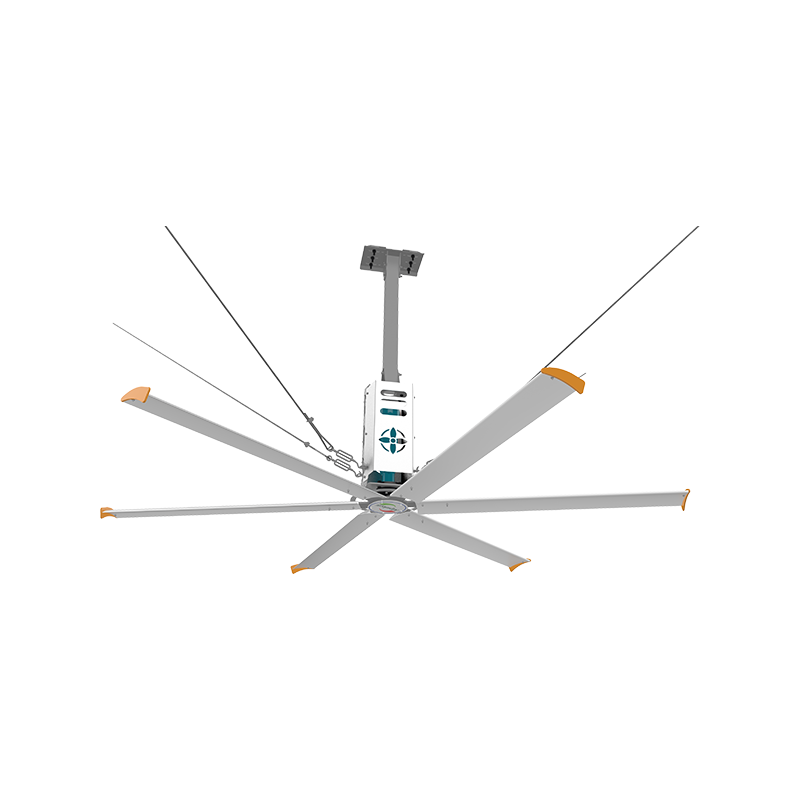 20-Foot Aviation-Grade Metal Blade HVLS Ceiling Fan for Large WarehousesThis fan covers up to 1,000 square meters with six metal blades and adjustable speed. It addresses the cost concern by delivering high airflow per unit area, making it a practical investment for large spaces.View Product →
The measure of a good HVLS installation is not how much air you feel directly beneath the fan. It is how comfortable the far corners of the room become.
The common objection to commercial HVLS fans is the upfront price. A 16-foot fan costs more than a rack of high-velocity wall fans, but the real metric is cost per unit of air moved across a floor area.
A single large-diameter fan does the work of many smaller units. One 16- or 20-foot HVLS fan can cover the same zone as six conventional industrial fans while drawing a fraction of the combined wattage. Moving a large mass of air slowly needs far less energy than moving the same mass quickly, and large blades push more air per revolution.
| Layout | Units Required | Annual Electricity | Notes |
|---|---|---|---|
| Conventional small fans | ~300 | Baseline | High maintenance, uneven airflow |
| HVLS fans, 7.3 m diameter | 6 | ~93% lower | Saves more than 1,000,000 kWh per year |
Six 7.3-meter fans covering a 6,800-square-meter plant is a manufacturer figure; real results vary with ceiling height, climate, and duty cycle. But the scale of the gap is consistent across installations, and an HVLS fan's annual operating cost is often below that of a single high-speed industrial fan.
Selection starts with floor area and ceiling height, then accounts for roof steel and obstructions. Final selection should use the manufacturer's coverage charts and a measured floor plan.
| Fan Diameter | Recommended Coverage | Typical Spaces |
|---|---|---|
| 7–10 ft | Small workshops, low-ceiling zones | Repair bays, retail, packing corners |
| 12–16 ft | Mid-size floors | Gyms, machine shops, pick-and-pack areas |
| 17–24 ft | Large production floors | Factories, distribution centers, assembly halls |
| 26–28 ft | Very large open halls | Hangars, expo halls, heavy fabrication plants |
Choosing a fan that is too small and running it at maximum speed creates a strong breeze beneath the blades and almost nothing twenty meters away. A properly sized fan runs at moderate speed and produces even airflow across the room.
If the finished floor-to-blade clearance is less than ten feet, a ceiling-mounted HVLS fan is not the right answer. Wall-mounted industrial fans or freestanding floor fans keep air moving in low buildings without sacrificing headroom.
16-Foot Reversible HVLS Ceiling Fan with Nord MotorEquipped with a reliable 1.1kW Nord motor and reversible airflow, this fan suits mid-size warehouses and production lines, improving summer cooling and winter heat distribution while adapting to multiple voltage supplies.View Product →
For mid-size warehouses and production lines, a 16-foot fan balances coverage, efficiency, and mounting weight — and reversible airflow makes it useful in both summer and winter.
The motor is the heart of a commercial HVLS fan. Permanent magnet synchronous (PMSM) and brushless DC (BLDC) motors dominate the category: both use high-energy magnets to generate torque, making them more efficient than older induction or gear-motor designs, and both allow precise speed control from 20–30 rpm to full cooling output.
What do you give up with a cheaper gear-driven fan? Gearboxes, belts, and pulleys that need lubrication, alignment, and replacement. A direct-drive motor eliminates most of that maintenance — exactly what you want when the fan is mounted three stories above a production line.
Blade construction matters too. Aluminum alloy blades resist corrosion and hold their shape; aviation-grade blades stay stiff enough to preserve aerodynamic pitch. Cheaper composites tend to vibrate as they age, and vibration is the enemy of bearings and mounts.
 Industrial-Grade BLDC Large-Blade Ceiling Fan with Metal BladesUsing brushless DC motor technology, this fan provides strong airflow with lower power consumption and covers up to 1,800 square meters. Its aviation-grade metal blades ensure durability and stable performance under continuous industrial use.View Product →
HVLS fans are heavy, and structural integration is not something to improvise. A 20-foot fan with metal blades can weigh over 100 kilograms and places continuous dynamic loads on its mount. It must be attached to structural steel — I-beams, reinforced purlins, or engineered trusses — using the manufacturer's kit. Drywall ceilings, unbraced purlins, and residential framing are out of the question.
Winter operation is often overlooked. In heated buildings, HVLS fans run at low speed to push warm air trapped at the roof back down to the occupied zone — a process called destratification that reduces heating energy and shortens the payback period.
Because HVLS fans are long-life industrial assets, the supplier matters as much as the fan. Verify four things before committing a budget:
A manufacturer with its own production base can respond faster than a trading company when you need drawings, spare parts, or project support. This detailed selection guide on large commercial fans covers the buying criteria, and the manufacturer's team can review your floor plan and structural constraints directly.
Commercial HVLS fans improve a building's environment for decades, not for one season. The fans installed today should still be running efficiently in ten or fifteen years, so the decision should rest on engineering depth and data rather than the lowest price per unit.
The technology is well proven. What separates a great installation from a mediocre one is the discipline of sizing, mounting, and matching the fan to the building. Get those fundamentals right, and the space feels cooler in summer, warmer in winter, and more comfortable for everyone in it.
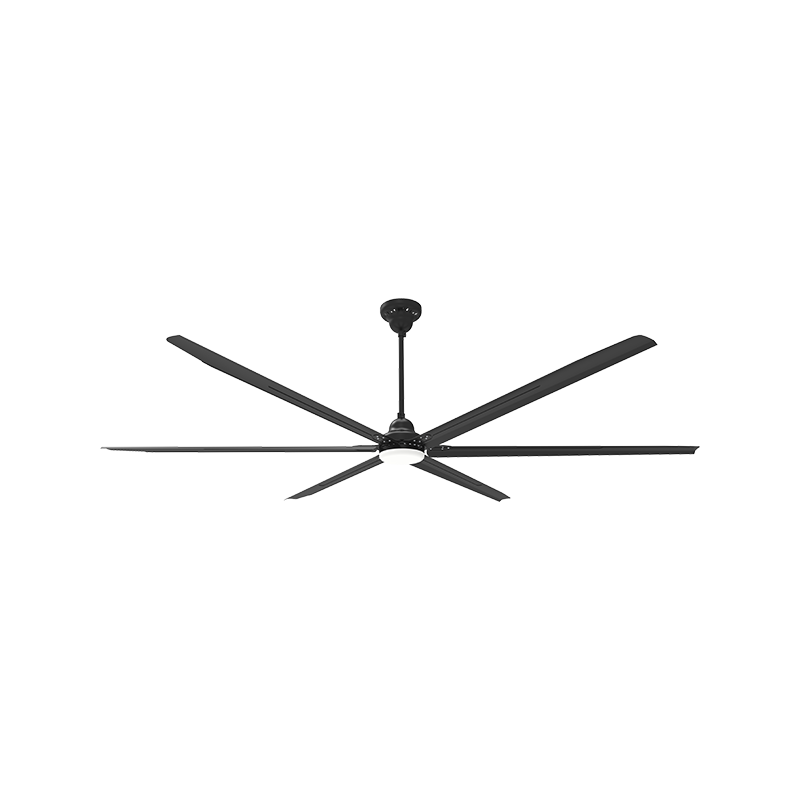
1. Core Technology: High Volume, Low SpeedNatural Breezes: Unlike the “harsh” wind from small fans, HVLS fans use massive blades rotating at low speeds to create a large-scale, three-dimensional breez...
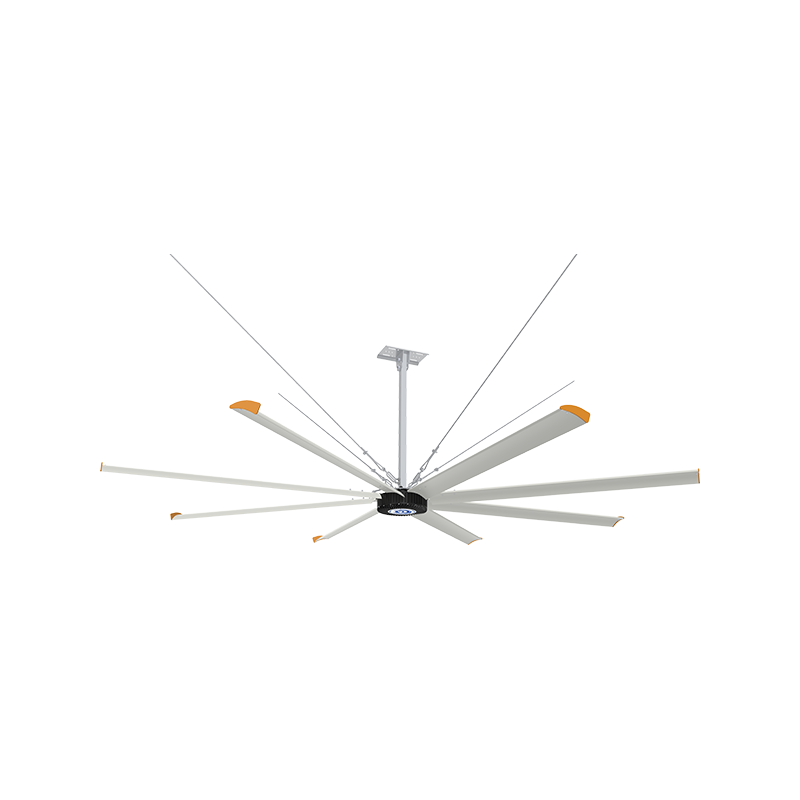
The 8-foot HVLS Large Industrial BLDC Ceiling Fan is equipped with a 0.3KW brushless DC motor, offering higher energy efficiency and lower noise levels. The lower power consumption design helps users ...
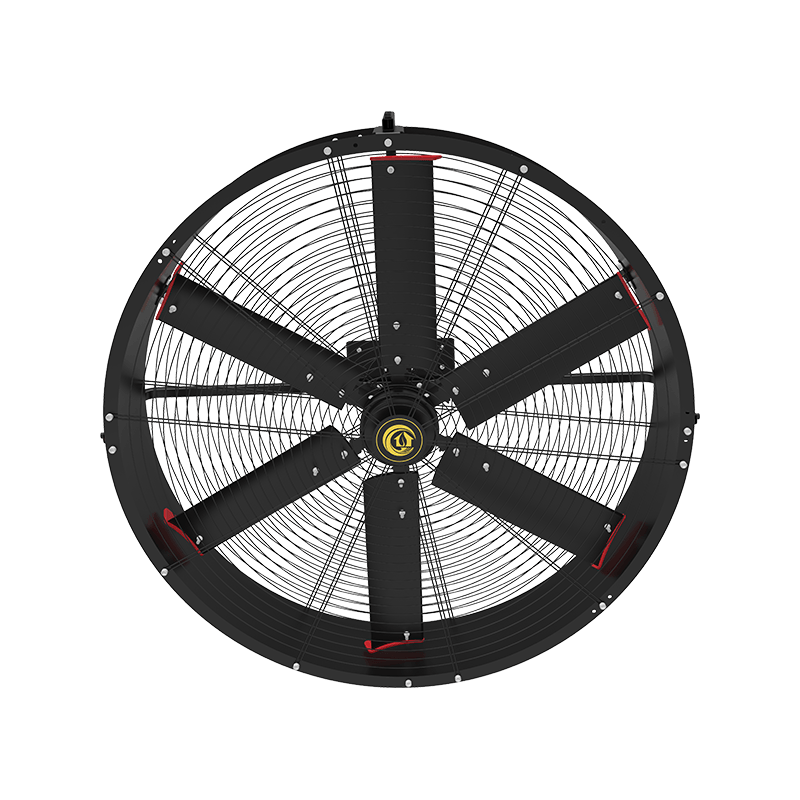
1. Extreme Airflow & Wide CoverageEquipped with massive 79-inch (2.0m) diameter aerospace-grade aluminum alloy blades. These precision-balanced blades generate a powerful, stable laminar airflow t...
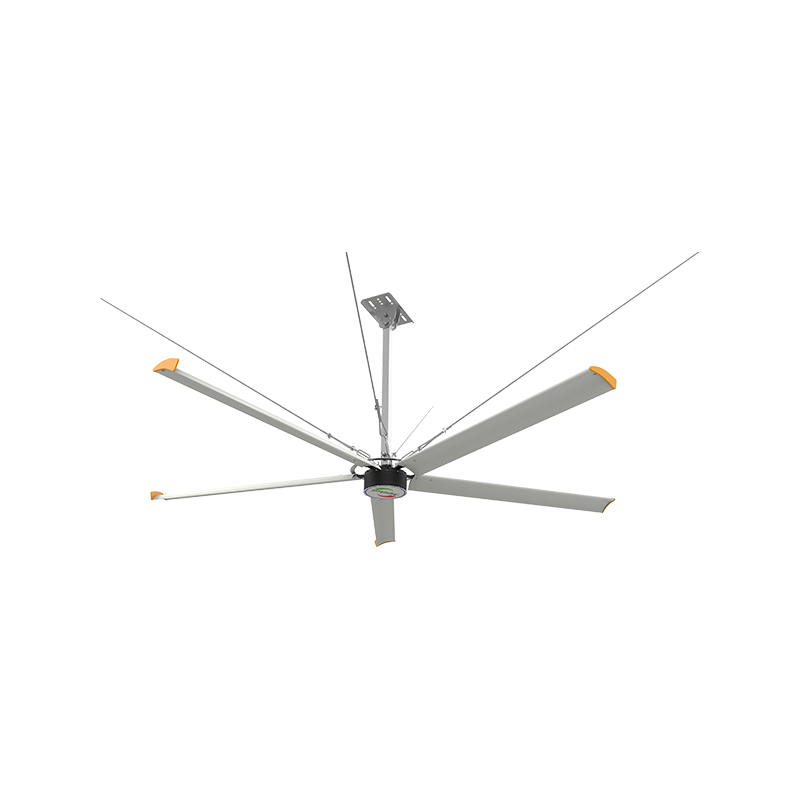
The industrial-grade aviation metal large-blade BLDC ceiling fan utilizes brushless DC motor (BLDC) technology, allowing it to provide powerful airflow with low power consumption. The ceiling fan rapi...
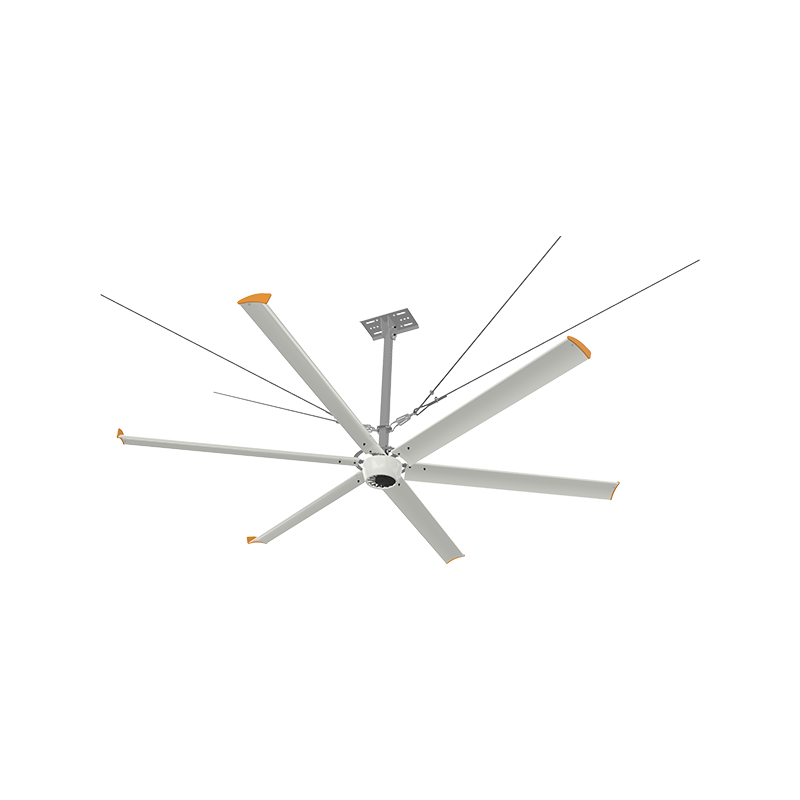
The 15-foot Even Airflow Industrial BLDC Ceiling Fan utilizes a high-efficiency BLDC motor and carefully designed blades. This ceiling fan operates with extremely low noise levels, making it suitable ...

The blades of the 14-foot BLDC motor HVLS industrial aluminum alloy ceiling fan are made of high-strength aluminum alloy, offering advantages such as light weight (each blade weighs approximately 3.5k...
Big Fans, Low Speed, Real Results: HVLS Industrial Fans Explained When a factory floor hits 34°C, small fans only move hot air around. Large-diameter HVLS ceiling fans do the opposite: they push a t...
READ MOREStanding on the floor of a 6,000-square-metre factory on a hot July afternoon, you quickly notice the problem: small ceiling fans running at full speed create noisy air pockets near the floor, while ...
READ MOREShanghai Aipu Fans Co., Ltd., established in Shanghai in 2006, focuses on manufacturing industrial-grade high-quality ceiling fans, relying on industry-leading motor technology and advanced manufactu...
READ MOREAs an integrated manufacturing and trading company with core technology advantages, Shanghai Aipu Fans Co., Ltd. specializes in providing customized industrial ceiling fans and OEM services to meet d...
READ MORE Custom Large Industrial Fans Manufacturers