

 English
 Español
 عربى
عربى1. Core Technology: High Volume, Low SpeedNatural Breezes: Unlike the “harsh” wind from small fans, HVLS fans use massive blades rotating at low speeds to create a large-scale, three-dimensional breez...
Content
When a factory floor hits 34°C, small fans only move hot air around. Large-diameter HVLS ceiling fans do the opposite: they push a thick column of air downward and create an even air blanket across the whole facility — with fewer machines and less power.
The doors are open, the exhaust fans are humming, and the workers are still wiping sweat. You have been through this before. The facility is large, the summer is hot, and each additional desk fan only moves the problem two meters closer to the next worker.
The practical answer for most industrial buildings is a high-volume, low-speed (HVLS) industrial fan. Instead of chasing air with many small units, a few large-diameter ceiling fans move the entire air volume in one coordinated flow. The result is a complete airflow pattern, not a local breeze.
But HVLS is not a one-size-fits-all product. Diameter, motor technology, mounting height and structural load all need to fit your building. The sections below explain how to select and evaluate an HVLS industrial fan in a way that avoids both overspending and underperformance.
Traditional industrial fans are high-speed, low-volume machines. A 30-inch pedestal fan might hit 1,400 RPM, but the air stream collapses within a few meters. You feel it when you stand right in front, and you do not feel it anywhere else.
An HVLS industrial fan reverses that ratio. A 20-foot blade may rotate at 50-70 RPM, yet each rotation pushes a huge mass of air downward. That air continues to fall as a 1-3 meter thick layer, then spreads outward across the floor. As the layer moves, it carries fresh air to every corner without the turbulence of a hard jet stream.
The goal is not to blow air. The goal is to move the whole volume of air in the room in one direction — from ceiling to floor, then outward to the walls and back again.
That broad air movement has a practical benefit. A person standing 15 meters away can feel a difference, not just someone standing directly under the fan. This is why the sales pitch focuses on area coverage per fan, not air velocity at a single point.
HVLS fan diameter is the first decision that matters. Too small, and you will need more units than expected; too large, and you may run into ceiling height or structural limits. The table below gives typical ranges for planning purposes.
| Diameter Range | Typical Mounting Height | Facility Type |
|---|---|---|
| 7ft–11ft | 4–6 m | Small workshops, auto shops, gyms |
| 12ft–16ft | 6–8 m | Mid-size plants, warehouse aisles |
| 17ft–24ft | 8–12 m | Large factories, distribution centers |
| 26ft–28ft | 10–18 m | Very large assembly halls, shipyards |
The 12-foot class is the workhorse for small to medium workshops. If your ceiling sits around 6-8 meters, a 12-foot HVLS industrial fan can cover a production aisle with a focused, even airflow.
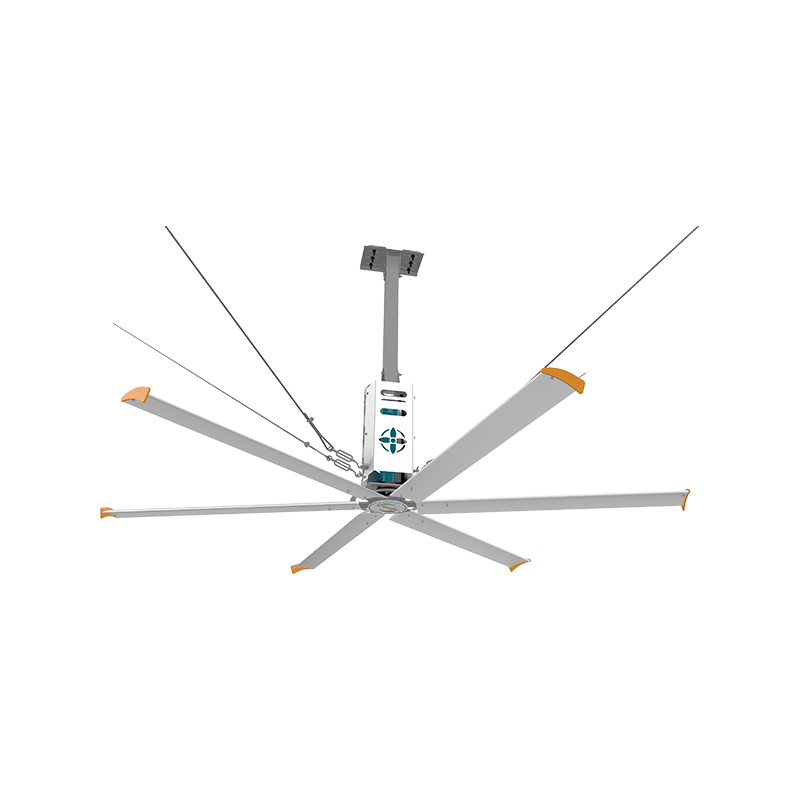 12-foot 1.1kW HVLS industrial workshop ceiling fanThis 12-foot fan with six aluminum blades delivers large airflow at low speeds, ideal for workshops with 6-8 meter ceilings. Its intelligent control adjusts speed for varied environments, improving comfort and energy efficiency.View Product →
For warehouse zones with taller racking, the 17-24 foot class moves a much larger air mass and reaches further across the floor. These units are common in distribution centers and heavy manufacturing where the air is stratified — hot at the roof, cool near the floor.
The motor is the second major decision. Traditional induction motors are simple and cheap, but their efficiency drops at partial load. A direct-drive permanent magnet synchronous motor (PMSM) or brushless DC motor (BLDC) maintains high efficiency across the whole speed range. That matters when a fan runs 8-12 hours a day, all year round.
In practice, a PMSM motor has a higher torque-to-weight ratio and a more compact housing, which reduces the load on the ceiling struts. BLDC motors offer precise speed control and quiet operation at lower speeds. Both help explain why the same blade diameter can consume far less energy than an older setup.
For a 20-foot warehouse fan, the motor has to handle a large blade with real inertia. A robust three-phase motor with an industrial-grade aluminum blade is a common solution. That type of fan is used when the requirement is constant airflow in large storage volumes.
20-foot diameter aviation-grade metal blade warehouse HVLS fanCovering up to 1000 square meters, this 20-foot fan features six aviation-grade metal blades and a robust motor. It suits large warehouses and distribution centers, providing uniform airflow to reduce temperature stratification.View Product →An HVLS industrial fan is a permanent ceiling installation. Before ordering, check the roof structure: joist spacing, I-beam size, truss capacity and the exact distance between the fan mounting point and the nearest obstruction. A fan with a 20-foot diameter creates substantial mechanical load during operation.
Installation height is the next consideration. For the air blanket to form correctly, the recommended minimum clearance is typically 4 meters. Some manufacturers list a safe maximum mounting height as well. If a location has low ceilings or a lot of overhead cranes, a wall-mounted or mobile HVLS fan may be a better fit. You should contact the manufacturer to review your structure before purchasing.
Do not install an HVLS fan on a suspended ceiling or a light steel roof without checking the structural calculations. The fan may shake or overload the frame, creating a safety risk.
Including a structural review early in the project — before purchase — is one of the best ways to avoid costly rework. If you are unsure about load data, a manufacturer that offers engineering support should be able to review your drawings.
The most common sales claim in this category is replacing small fans with a few large fans. Using a 6800 m² factory as an example: 6 HVLS units can cover the same floor area as about 300 small pedestal fans. The total installed power drops from roughly 75-90 kW to less than 10 kW, and the annual electricity saving can exceed 1 million kWh.
Even with fewer hours of operation, the payback math is hard to ignore. The capital cost of an HVLS fan is higher than a small fan, but the running cost is not linear with size. A 1.1 kW motor moving a 12-foot blade does far more work than a set of small pedestal fans consuming the same total power.
| Configuration | Number of Fans | Total Installed Power | Estimated Annual Energy Use |
|---|---|---|---|
| 300 small fans | 300 | 75–90 kW | 180,000–216,000 kWh |
| 6 HVLS fans | 6 | 6–9 kW | 14,400–21,600 kWh |
The real energy saving depends on runtime, fan speed setting and local electricity costs. It also depends on replacing an inefficient cooling strategy, not simply adding a fan on top of an existing one. In summer, the air movement can raise the acceptable comfort temperature by 2-3°C, allowing the HVAC setpoint to be adjusted higher.
Industrial plants remain the primary use case. Welding bays, assembly lines and heat-treatment areas all benefit from downward air movement that pushes heat away from the worker. In a large logistics hall, the same airflow helps prevent temperature stratification and keeps goods and equipment from feeling damp in winter.
Commercial spaces deserve a second look. A 9-foot smart remote control six-blade LED ceiling fan can be installed in restaurants, showrooms and smaller gyms. It operates at low speed, with less noise, and gives that same air blanket feeling without the industrial look.
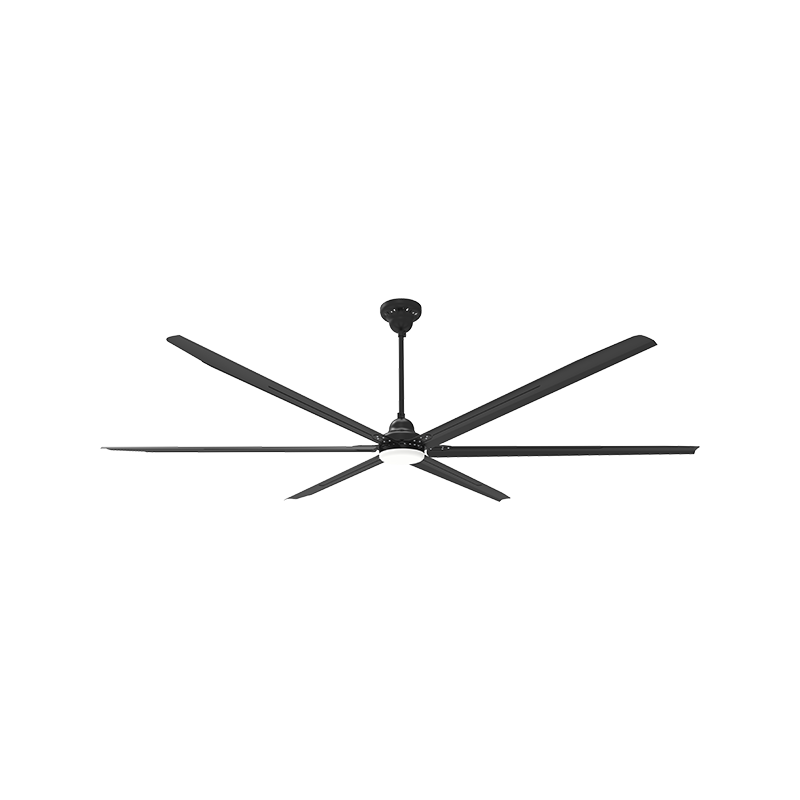 9FT Smart Remote Control 6 Blades LED Ceiling FanThis 9-foot fan with six blades and LED light is perfect for commercial spaces like cafes and gyms. Smart controls via remote, app, or voice allow easy operation. Its quiet DC motor offers reversible airflow for year-round comfort.View Product →
For spaces without a suitable ceiling, mobile and vertical HVLS fans are the pragmatic alternative. A moveable stand fan with a large-diameter blade can bring temporary airflow to a work station or a loading dock, while a wall-mounted fan is installed where a permanent ceiling point is not possible.
HVLS industrial fans are not just larger ceiling fans. They are part of a deliberate airflow strategy for large spaces. The decision should start with building measurements and a structural check, then move to diameter and motor selection, and finally compare operating costs against the existing cooling approach.
The right system delivers two things that matter in industry: a noticeable reduction in heat at the floor level and a measurable reduction in energy bills. A well-sized HVLS fan is not an impulse buy; it is an engineering decision that pays off during every summer peak — as long as you verified the ceiling, the dimensions and the manufacturer's supporting data.
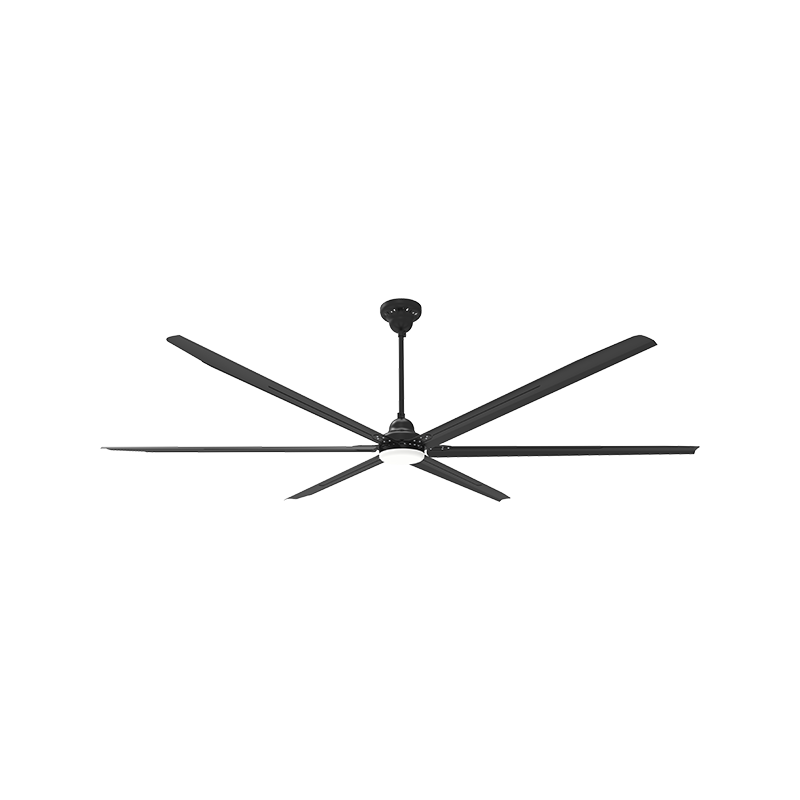
1. Core Technology: High Volume, Low SpeedNatural Breezes: Unlike the “harsh” wind from small fans, HVLS fans use massive blades rotating at low speeds to create a large-scale, three-dimensional breez...
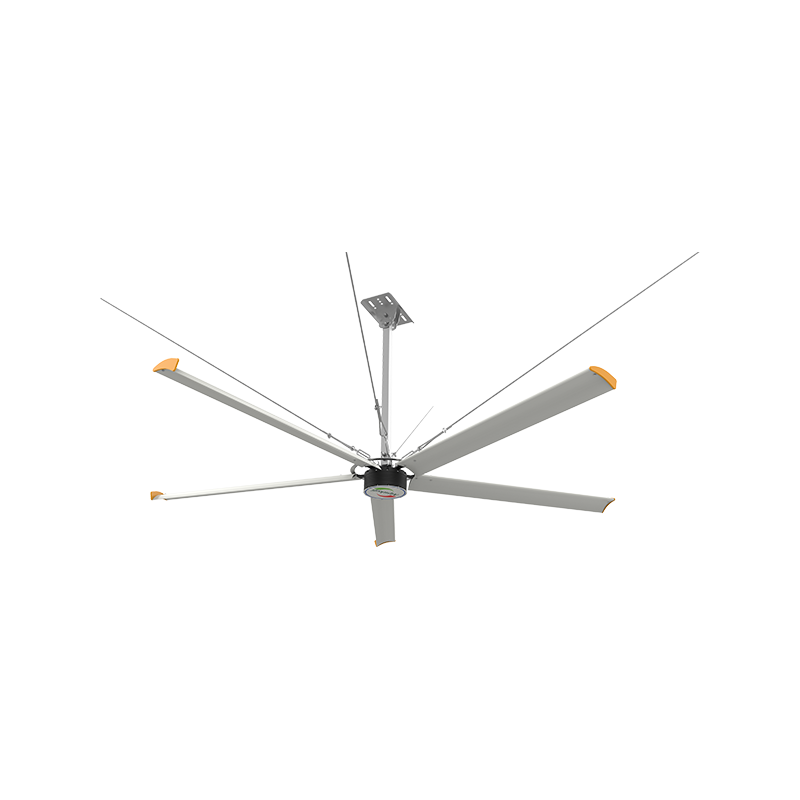
The industrial-grade aviation metal large-blade BLDC ceiling fan utilizes brushless DC motor (BLDC) technology, allowing it to provide powerful airflow with low power consumption. The ceiling fan rapi...
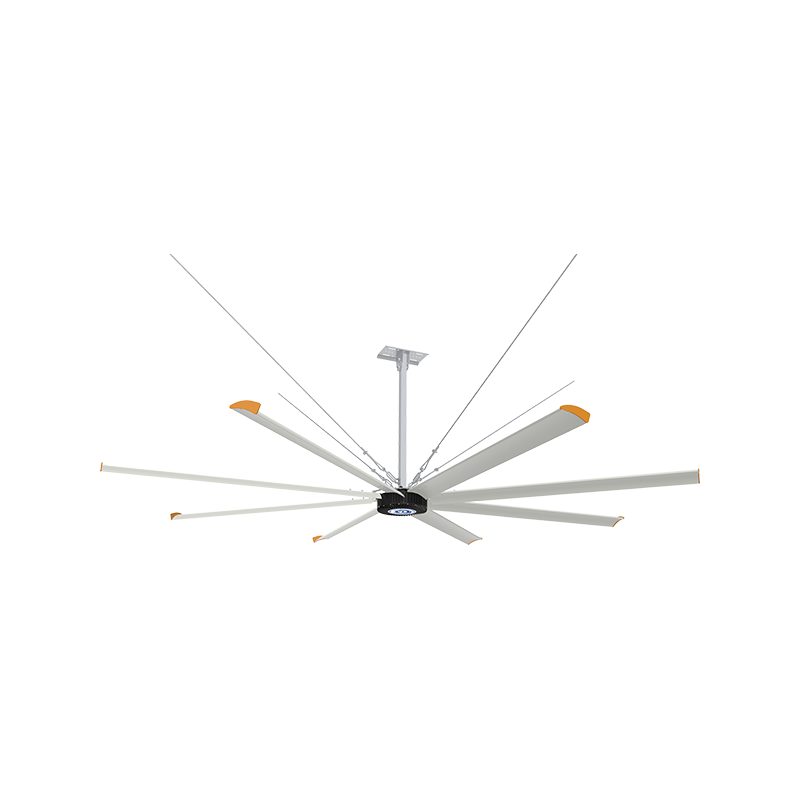
The 8-foot HVLS Large Industrial BLDC Ceiling Fan is equipped with a 0.3KW brushless DC motor, offering higher energy efficiency and lower noise levels. The lower power consumption design helps users ...
The 10-foot DC motor-driven HVLS (High Volume Low Speed) industrial and commercial ceiling fan utilizes a low-speed, high-airflow operating principle, achieving uniform airflow over a large area and a...
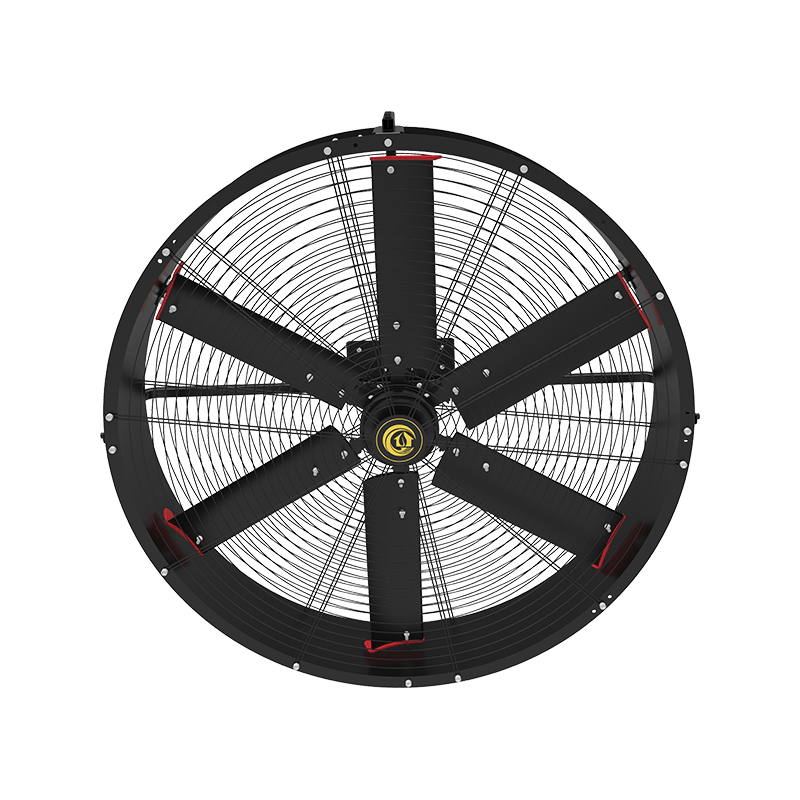
1. Extreme Airflow & Wide CoverageEquipped with massive 79-inch (2.0m) diameter aerospace-grade aluminum alloy blades. These precision-balanced blades generate a powerful, stable laminar airflow t...
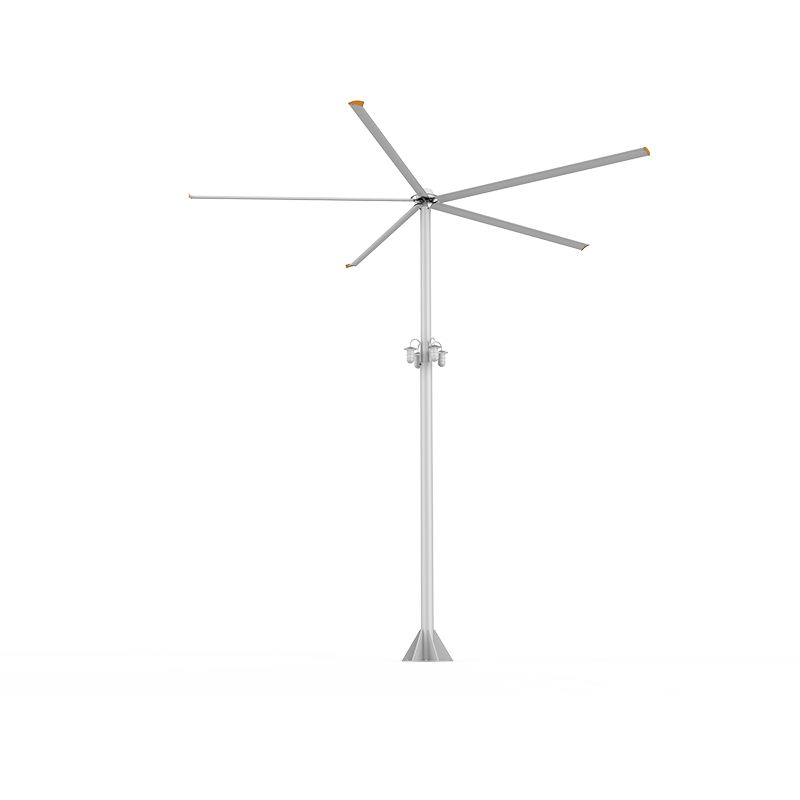
The 11-foot vertical HVLS commercial floor fan with light features a vertical floor-standing design with a total height of 3800mm (approximately 12.5 feet), suitable for spaces with ceiling heights of...
Commercial HVLS Fans: The Quiet Engineering Behind Large-Space Airflow A practical guide to selecting high-volume, low-speed ceiling fans for warehouses, factories, and commercial halls — with the ef...
READ MOREShanghai Aipu Fans Co., Ltd., established in Shanghai in 2006, focuses on manufacturing industrial-grade high-quality ceiling fans, relying on industry-leading motor technology and advanced manufactu...
READ MOREStanding on the floor of a 6,000-square-metre factory on a hot July afternoon, you quickly notice the problem: small ceiling fans running at full speed create noisy air pockets near the floor, while ...
READ MOREAt a distribution center in a hot climate, the worst heat gathers near the loading dock. The bay doors stay open through most of the shift, so any air that moves toward the dock gets pulled outside b...
READ MORE Custom Large Industrial Fans Manufacturers